
Stucco repair across Pima County, Arizona
We work on houses in Tucson and the towns around it, from Marana and Oro Valley in the northwest to Vail in the southeast and Sahuarita to the south. The stucco problems change a little from one area to the next, mostly because of the age of the houses and the ground they sit on.
How the areas differ
Central Tucson has the oldest walls. Adobe and brick in the historic barrios, block homes from the 1950s and 1960s across midtown, and frame houses on the east side. Each needs a different patch material.
The newer towns are mostly frame houses with stucco over lath, built from the 1980s on. Oro Valley, Marana, Vail and Sahuarita have large planned neighborhoods, many with HOA color rules. Cracks at windows, worn finish on the sunny side and foam trim damage are the usual calls there.
The Catalina Foothills sit higher on sloped lots with washes running between houses. Runoff coming down the hill and smooth custom finishes shape most of the work there.
The same weather everywhere
The whole valley shares the same climate. Hot summers, strong sun most of the year, cool nights and a summer storm season that brings most of the rain in a few weeks. That is what wears stucco down, whatever the neighborhood.
Elevation changes it a little. Vail and the upper foothills run cooler at night and see more freezing mornings in winter. Marana and the lower valley run hotter in summer.
What to look for on your own walls
Walk around the house in the early morning or late afternoon, when low sun shows cracks and texture best. Start at the windows and doors and look at each corner. Then look up at the parapet caps and scuppers if you have a flat roof, and down at the base of the wall where it meets the ground.
Note anything that has changed since last year. A crack that has grown, a stain that has spread or a spot that sounds hollow when tapped tells us more than a crack that has looked the same for ten years.
Photos help. Take a wide shot that shows where the problem is on the house and a close shot with a coin or a tape measure for scale.
Older homes and newer homes
The age of the house changes the repair more than the address does. Walls built before about 1950 may be adobe, brick or block with lime or early cement finishes. Houses built since then are mostly block or frame with modern cement stucco, and the newest often use one-coat systems or acrylic finishes.
If you know roughly when your house was built, tell us when you call. That way the first visit starts with the right patch materials on the truck.
Pick your area
Each area page covers the house types, common problems and repair notes for that part of the county, with links to each repair.
If your neighborhood is between two areas, pick the closer one. The houses, weather and repairs are much the same on either side of a town line, and the notes on both pages will apply.
Green Valley, Picture Rocks, Tanque Verde and the other places between these towns are covered as well. Give us a call with the cross streets.
Where we work in Pima County
We repair stucco in Tucson and the towns around it. Each area page covers the house types and common problems there.
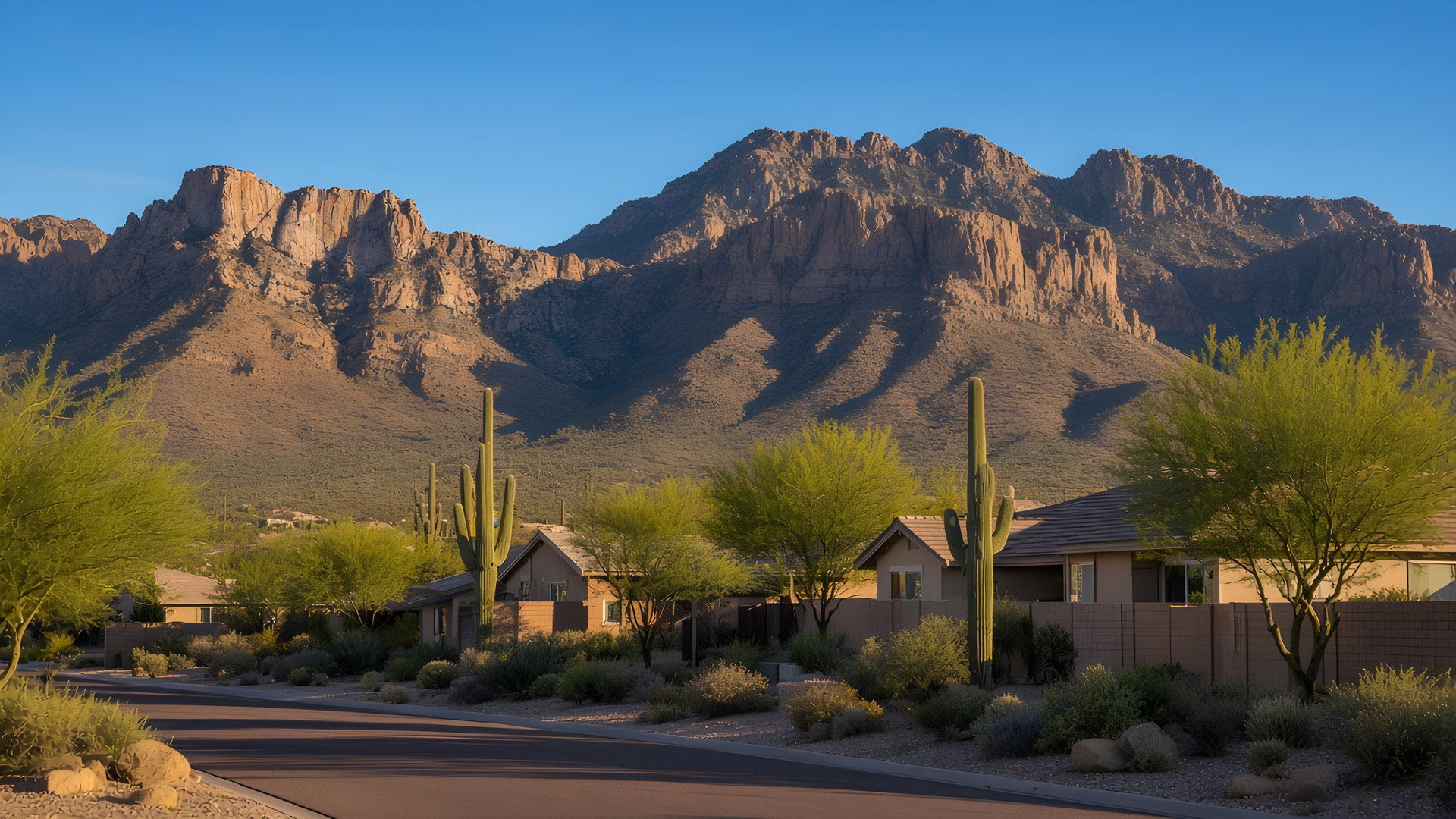
Tucson
Historic adobe, midtown block homes and east side frame houses across the city.
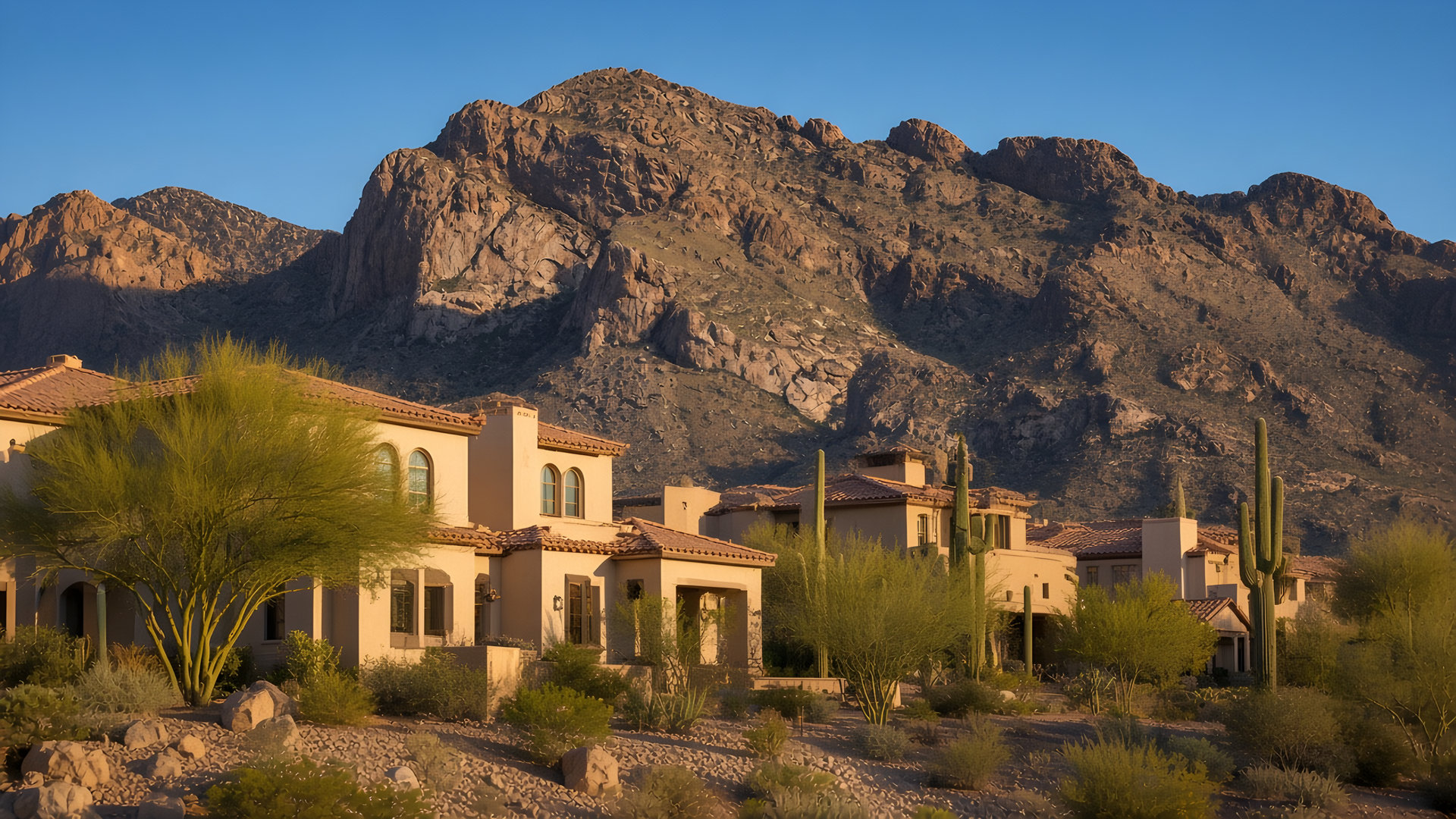
Oro Valley
Newer frame homes, foam trim and HOA colors below Pusch Ridge.
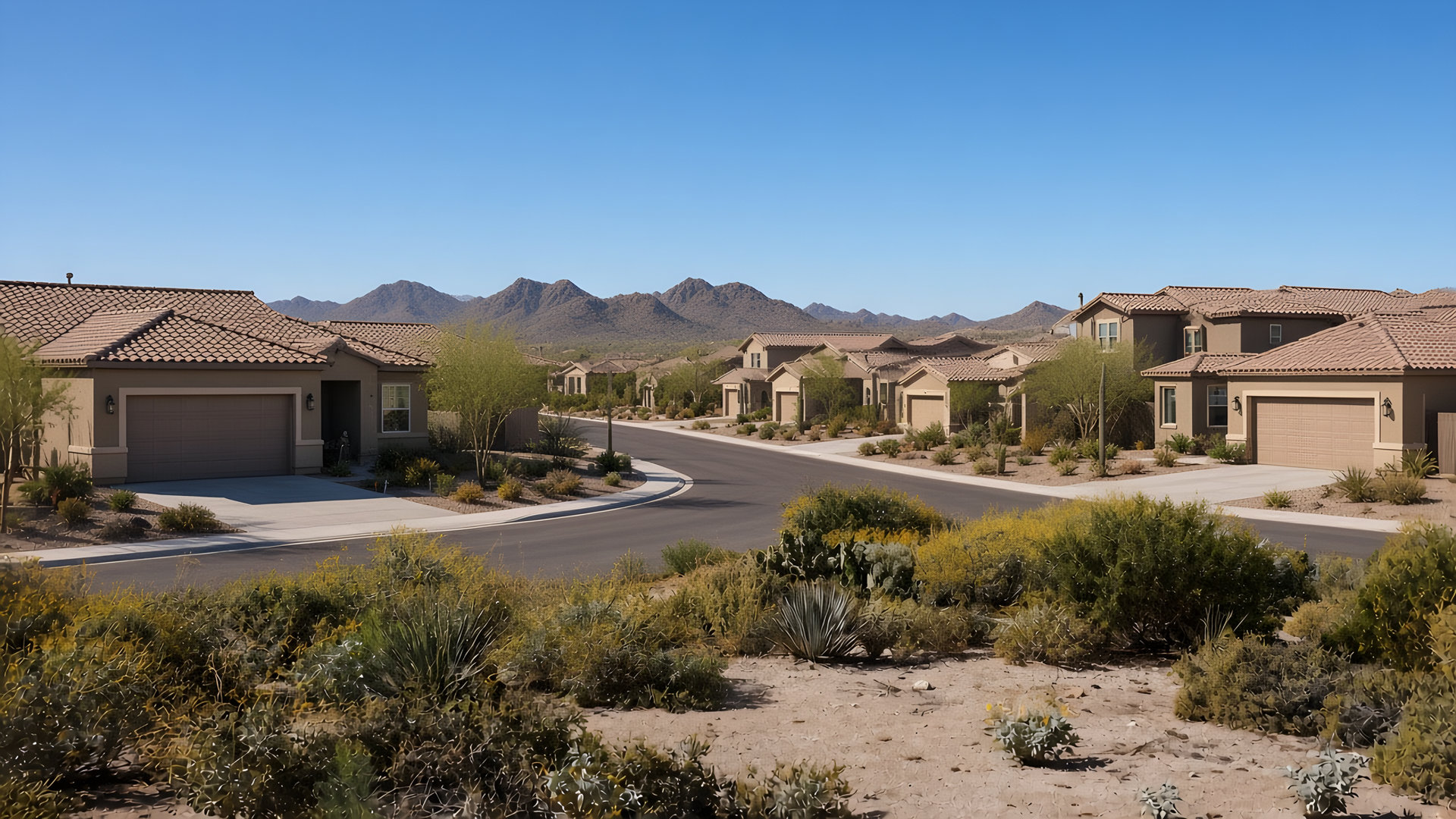
Marana
Newer frame neighborhoods along the Santa Cruz River and hillside homes at Dove Mountain.
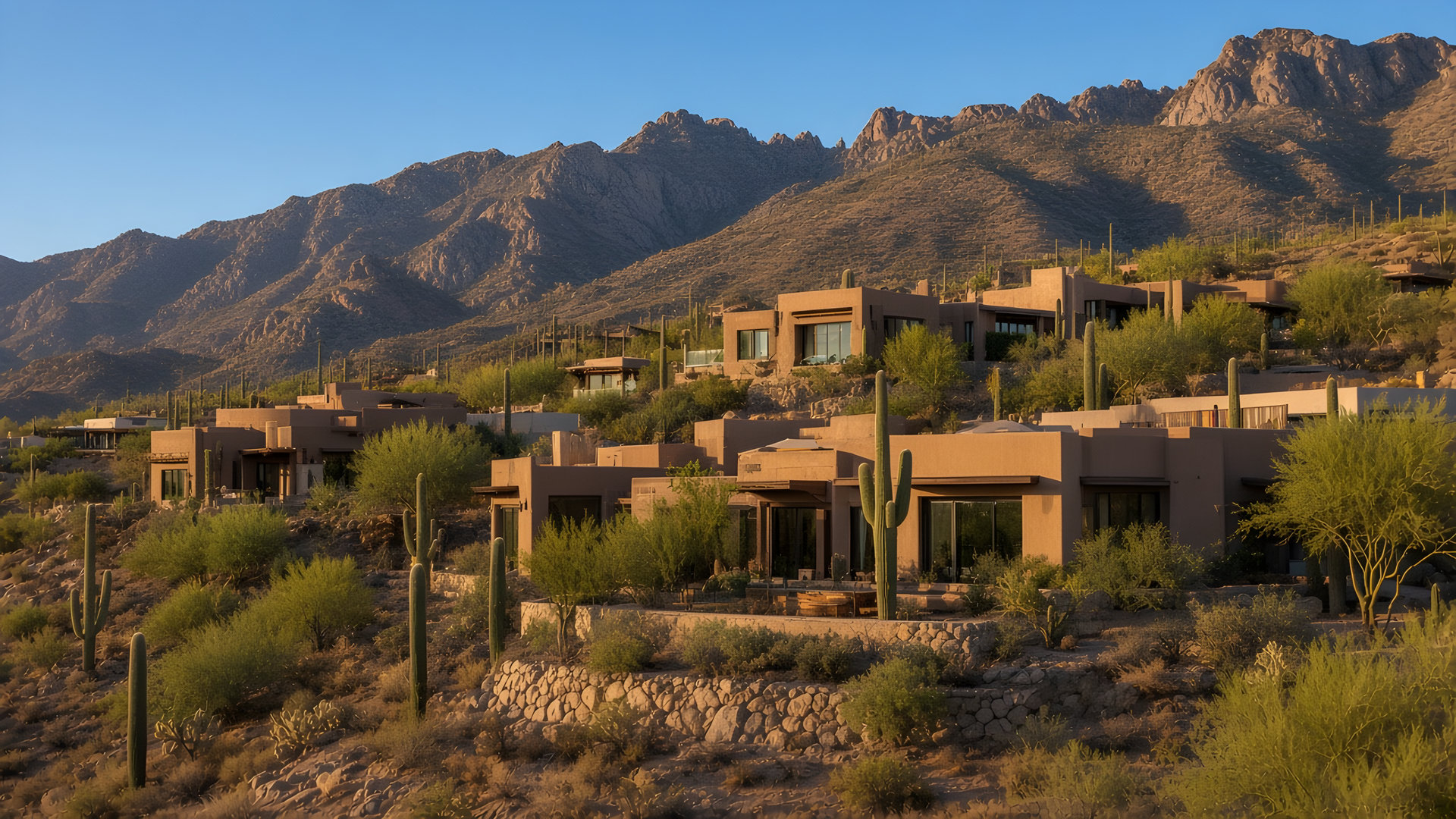
Catalina Foothills
Custom homes, smooth finishes and hillside lots north of River Road.
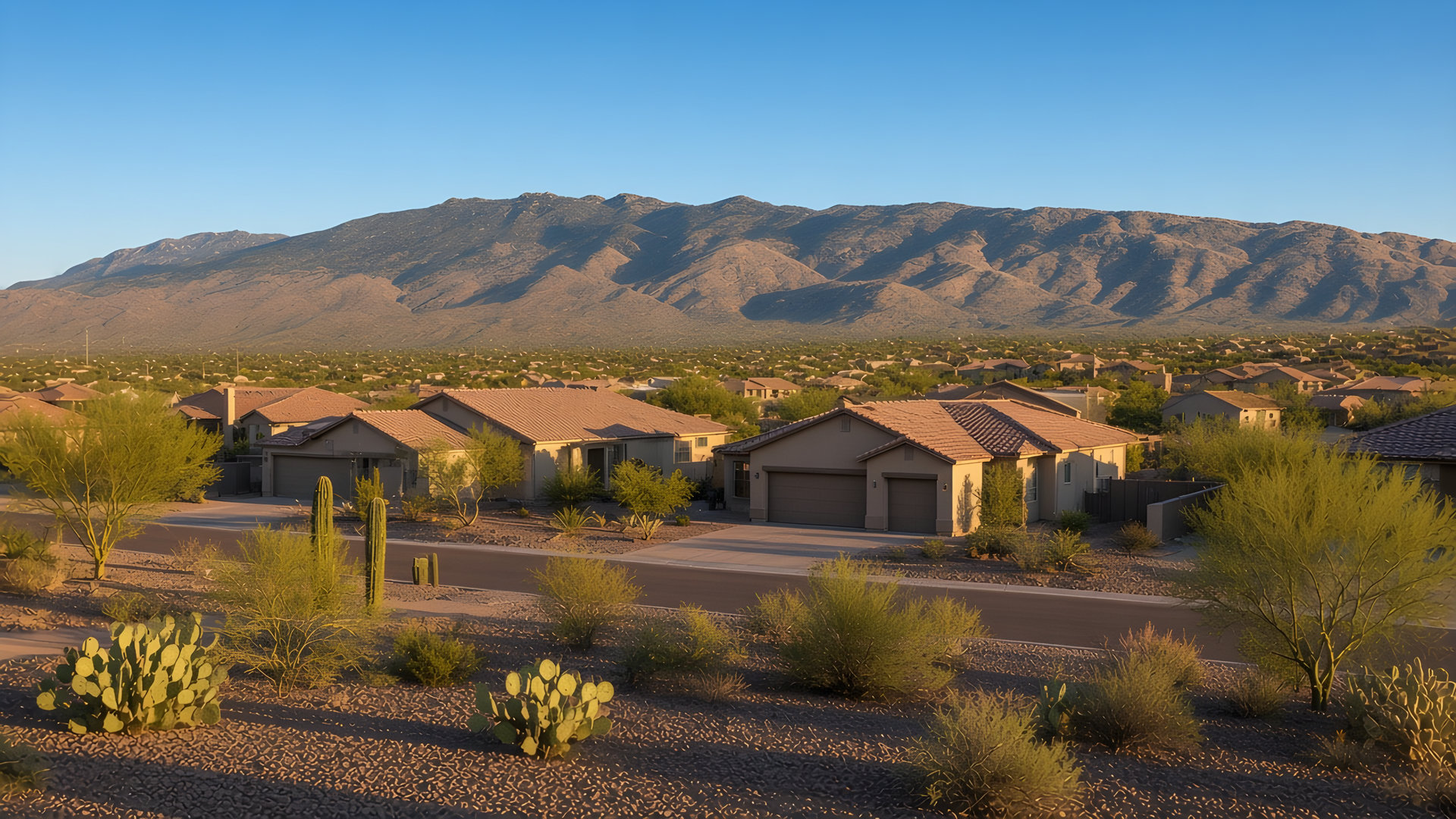
Vail
Newer frame homes on the higher ground southeast of Tucson.
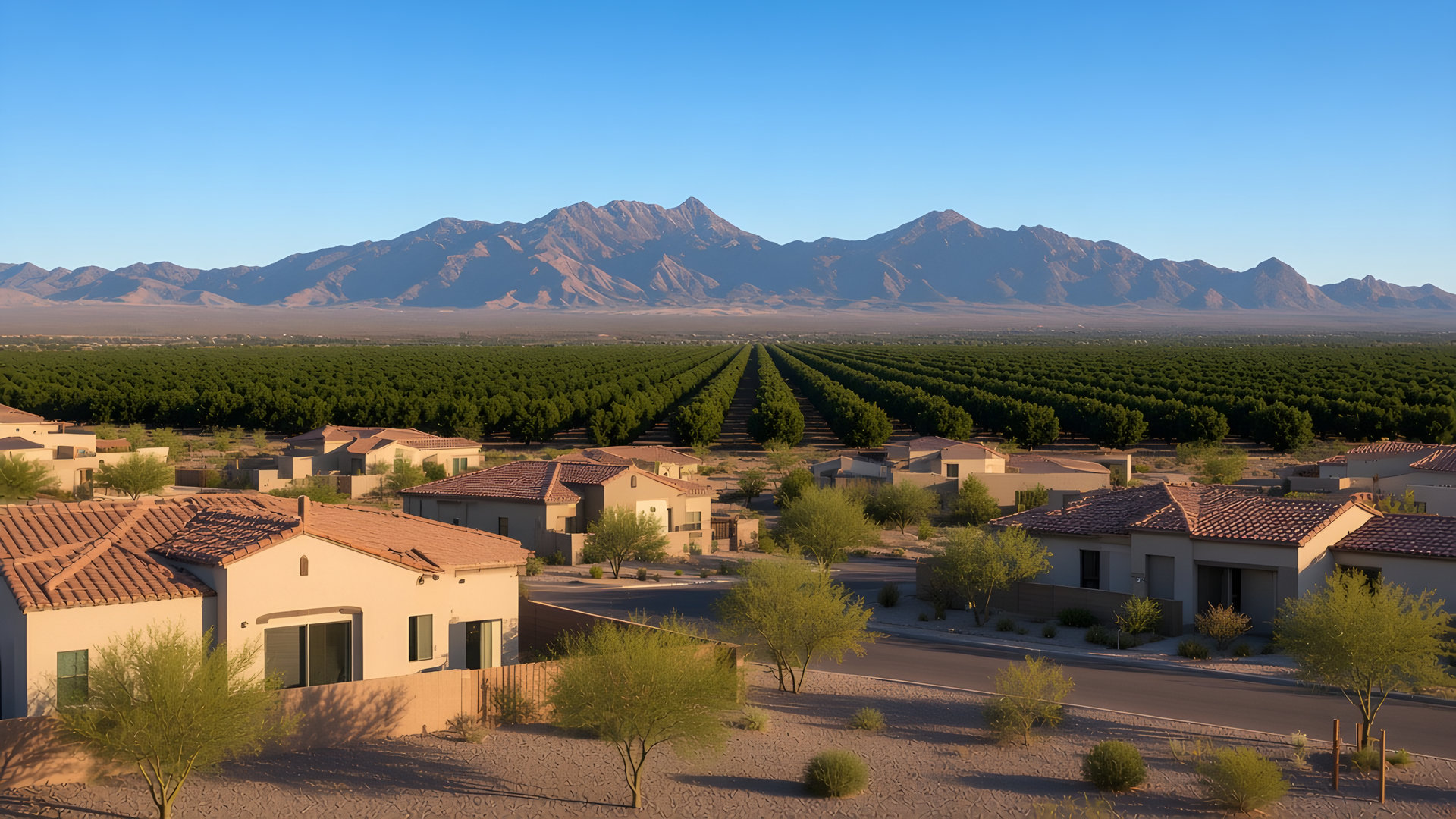
Sahuarita
Planned neighborhoods along Interstate 19 with the Santa Ritas to the east.
Talk to us about your wall
Call and describe what you have noticed. We will ask a few questions about the house and the problem, then book a time to see it.
If you can, take a wide photo and a close one before we talk. It helps us bring the right materials to the first visit.