
Stucco repair in Marana, Arizona
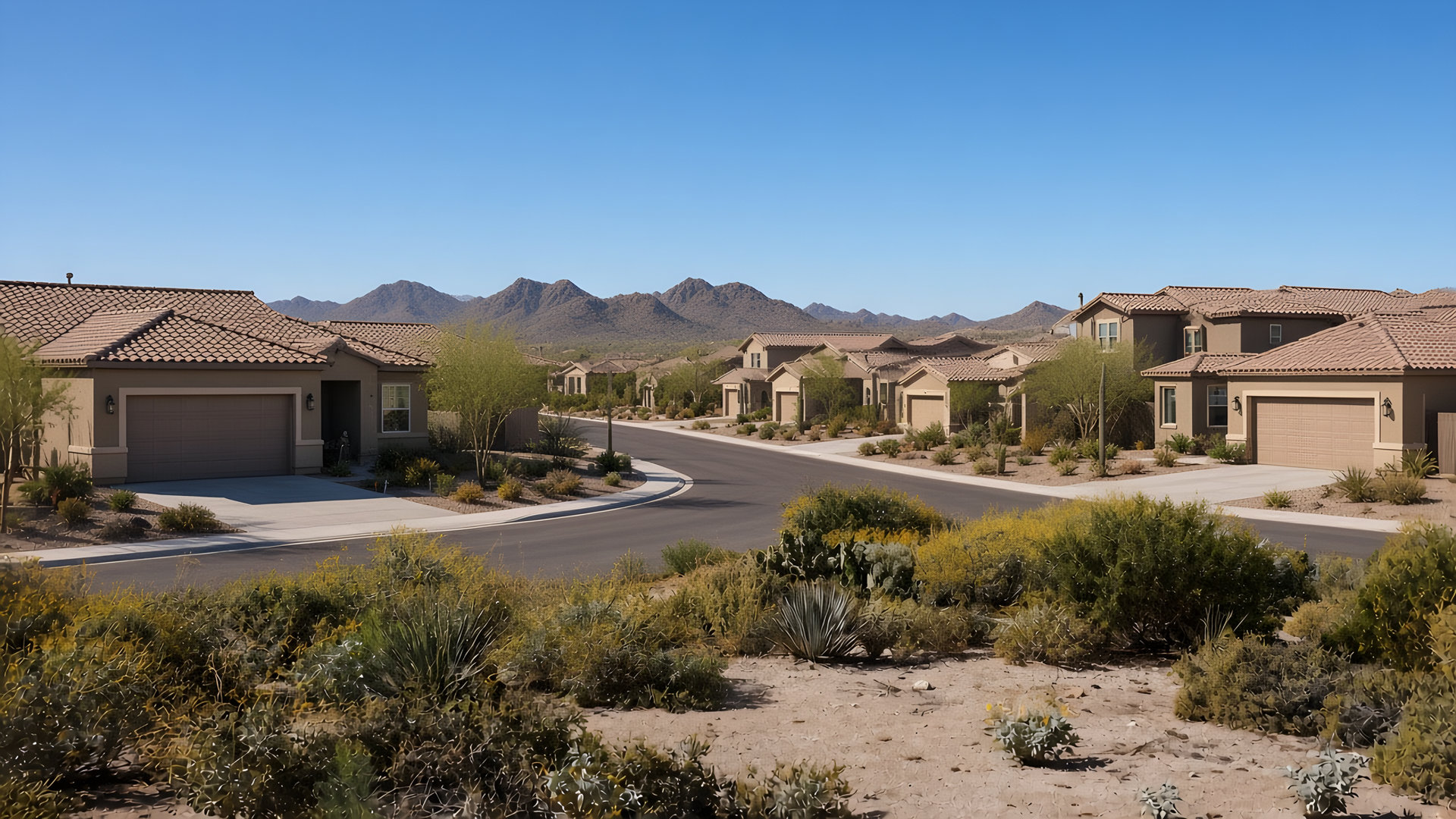
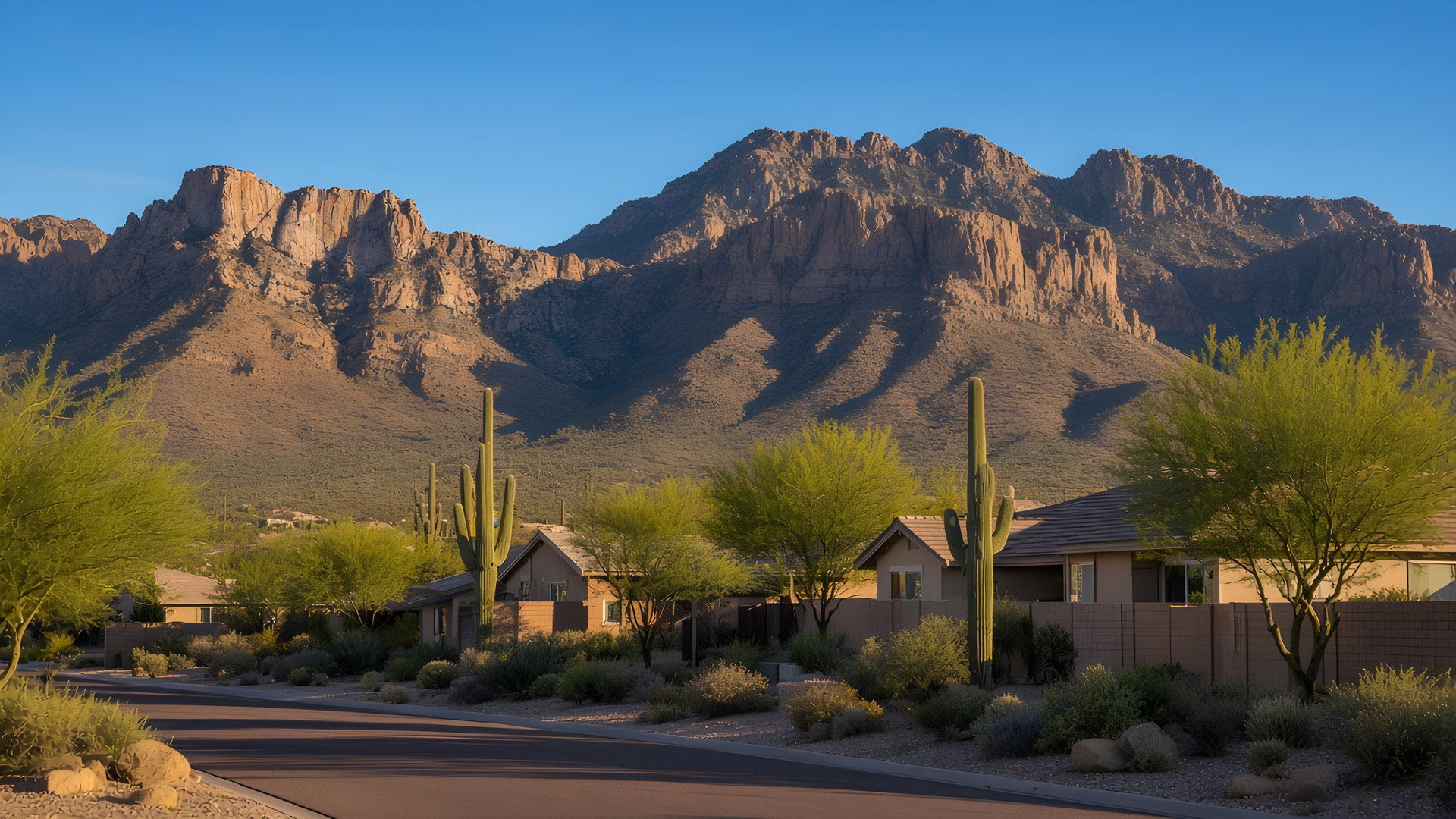
Marana runs along Interstate 10 and the Santa Cruz River northwest of Tucson, from older farm areas to large newer neighborhoods and the hillside homes of Dove Mountain. Most of the stucco here is on frame houses built in the last thirty years.
Houses we work on in Marana
Continental Ranch, Gladden Farms and the neighborhoods off Cortaro and Tangerine Roads are mostly single-story and two-story frame homes. Many have a one-coat stucco system, a thinner layer than traditional three-coat stucco, over foam or lath.
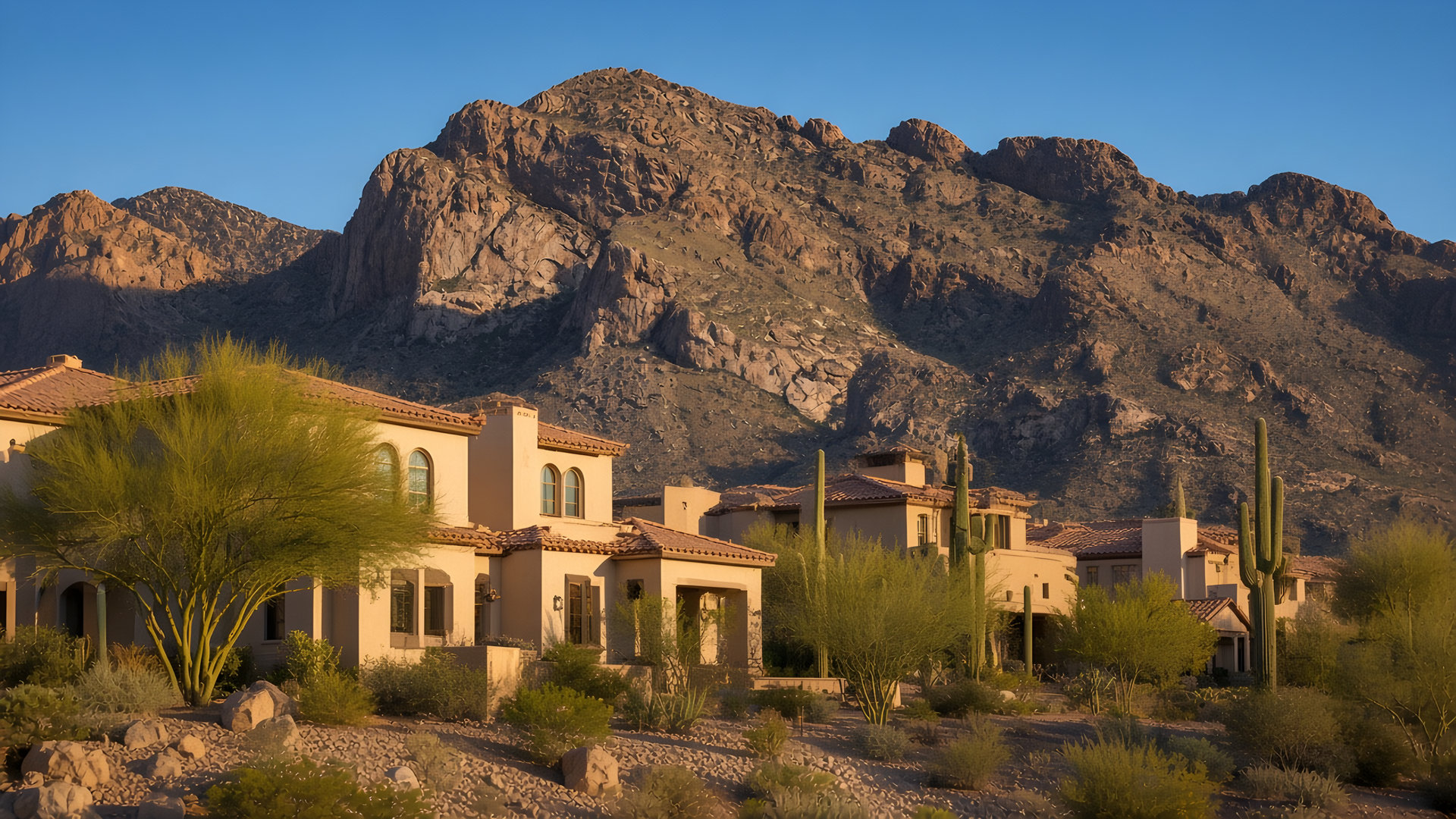
Dove Mountain, up in the Tortolita foothills, has larger custom and semi-custom homes, many with smooth or hand-troweled finishes and flat roof sections with parapets.
Common stucco problems in Marana
One-coat stucco is lighter and quicker to install, but it is thinner. Impacts dent it more easily, and cracks show sooner. Patches on these walls need to match the thinner system so they do not stand proud of the wall.
Homes in the lower areas near the river and the old farmland sit on soils that hold water differently from the rocky foothills. Watch for cracks that grow after the monsoon and for wet stucco at the base of the wall where irrigation or runoff collects.
Out at Dove Mountain, sloped lots send runoff toward the uphill side of the house. The base of those walls takes more water than you would expect in the desert.
Garage walls and the low walls around courtyards also see a lot of impact damage in busy family neighborhoods. Bikes, carts and car doors dent thinner stucco systems more easily than older thick walls.
Repair notes for newer homes
On newer homes, many cracks are normal settling and shrinkage from the first few years. They are worth filling before the monsoon so water does not get behind the stucco. If your house is still in a builder warranty period, check that before having repairs done, since the builder may cover some of it.
Many Marana neighborhoods also have HOA color rules. We match the existing color for repairs, and can give you the product details if the HOA asks for them.
Irrigation, yards and the base of the wall
Many Marana homes have front yards with drip lines or spray heads close to the house. Water that hits the wall every morning keeps the bottom of the stucco damp, and the finish there softens, stains and flakes.
We look at the weep screed along each wall. If rock or soil sits above it, water cannot drain out of the wall. Pulling the rock back a few inches and turning heads away from the wall costs little and protects the repair.
On walls that back onto open desert or common areas, we also look for burrowing animals and packrat nests against the wall, which hold moisture and can damage the base.
Heat on the valley floor
Marana sits low on the valley floor and is often a few degrees hotter than the foothills in summer. Patches cure fast in that heat, sometimes too fast, so we start early and keep fresh stucco damp.
Stucco repairs in Marana
Seven kinds of work cover nearly every stucco problem on Tucson area homes. Each card goes to a page with how the repair is done, how long it takes and what affects the cost.
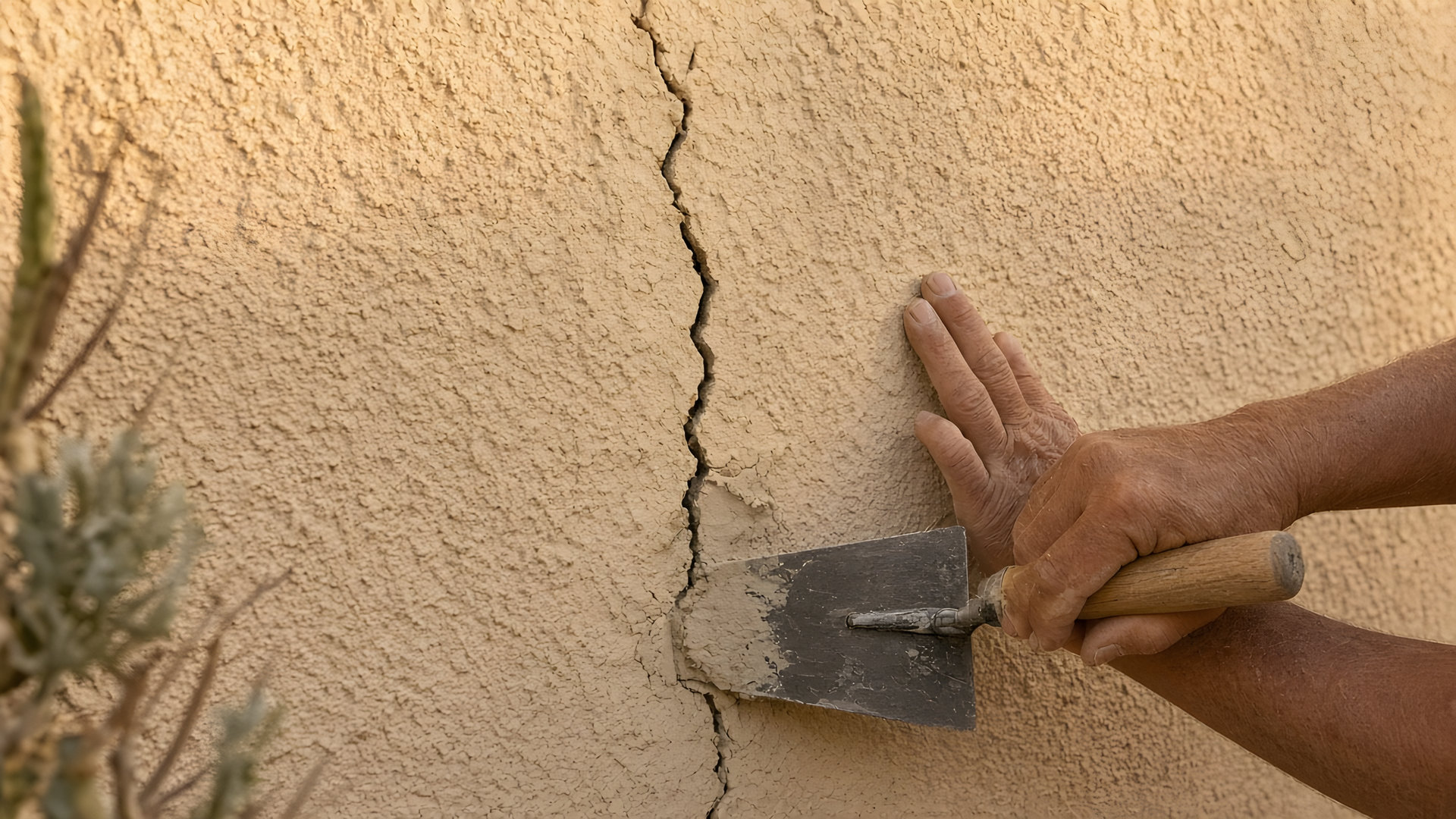
Crack repair
Settling and shrinkage cracks on newer frame homes, closed before the summer storms.
See crack repair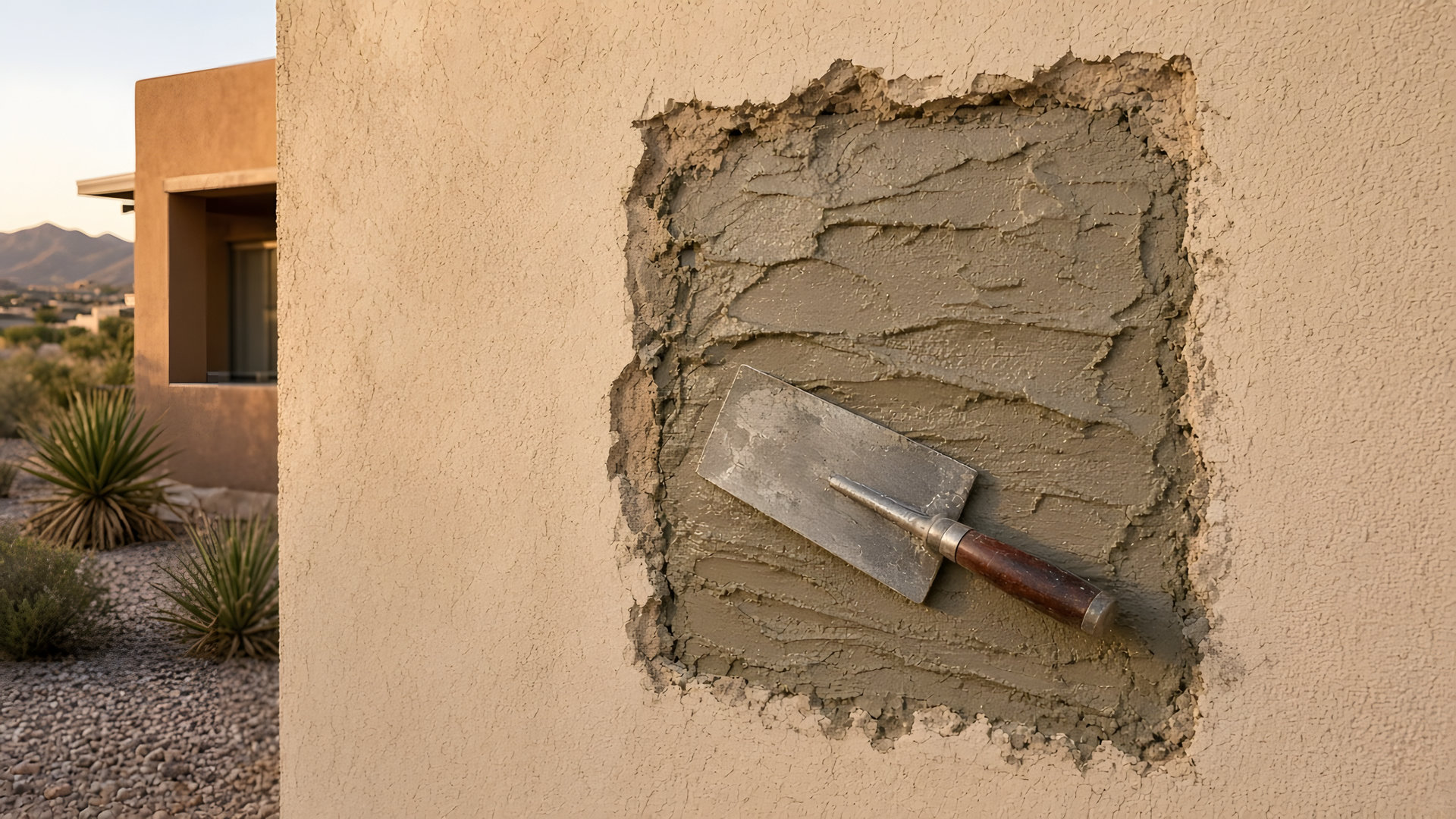
Stucco patching
Dents and holes in one-coat stucco patched flush with the thinner wall system.
See stucco patching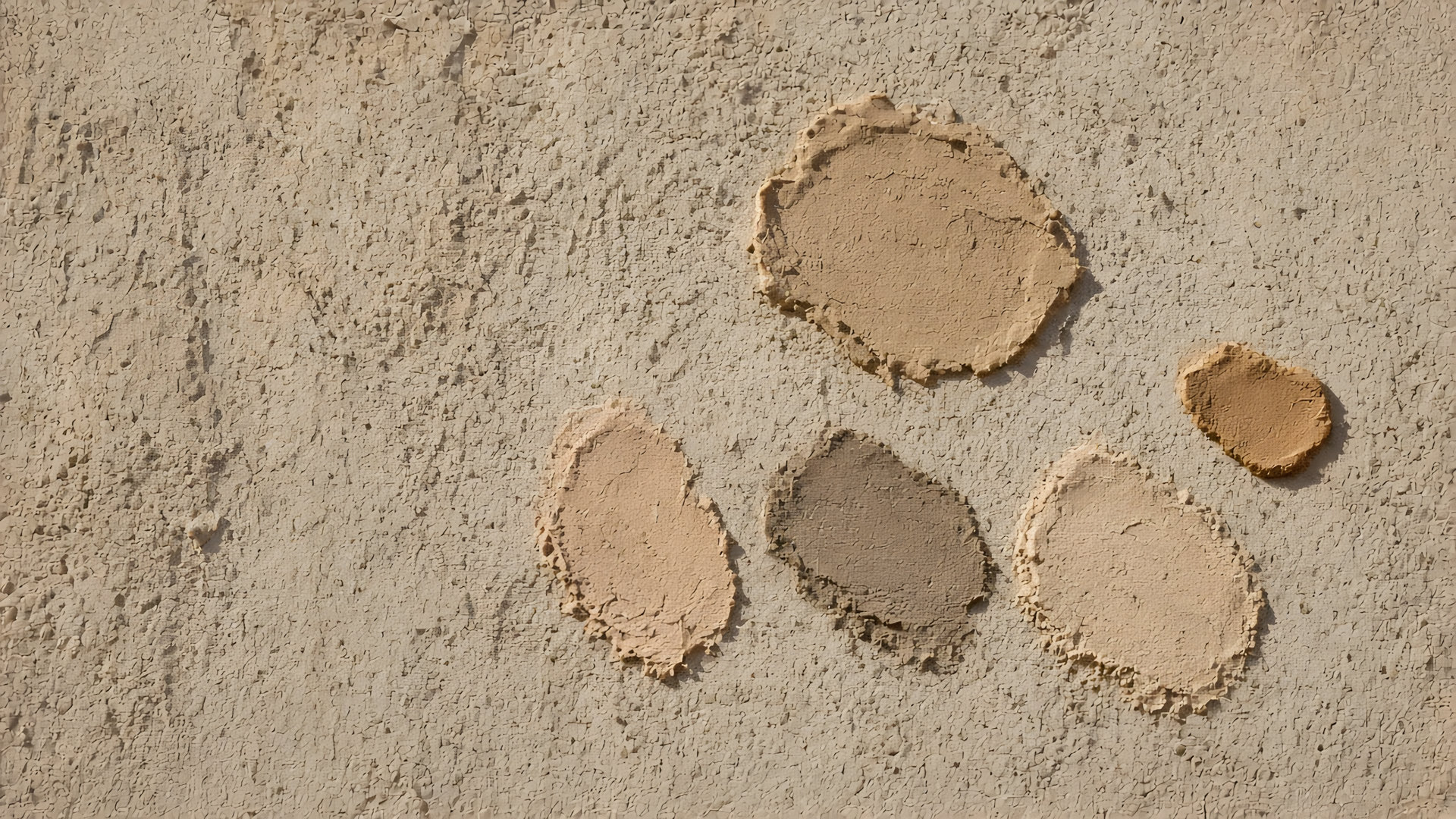
Color and texture match
Builder sand finishes and HOA colors matched on Continental Ranch and Gladden Farms homes.
See color and texture match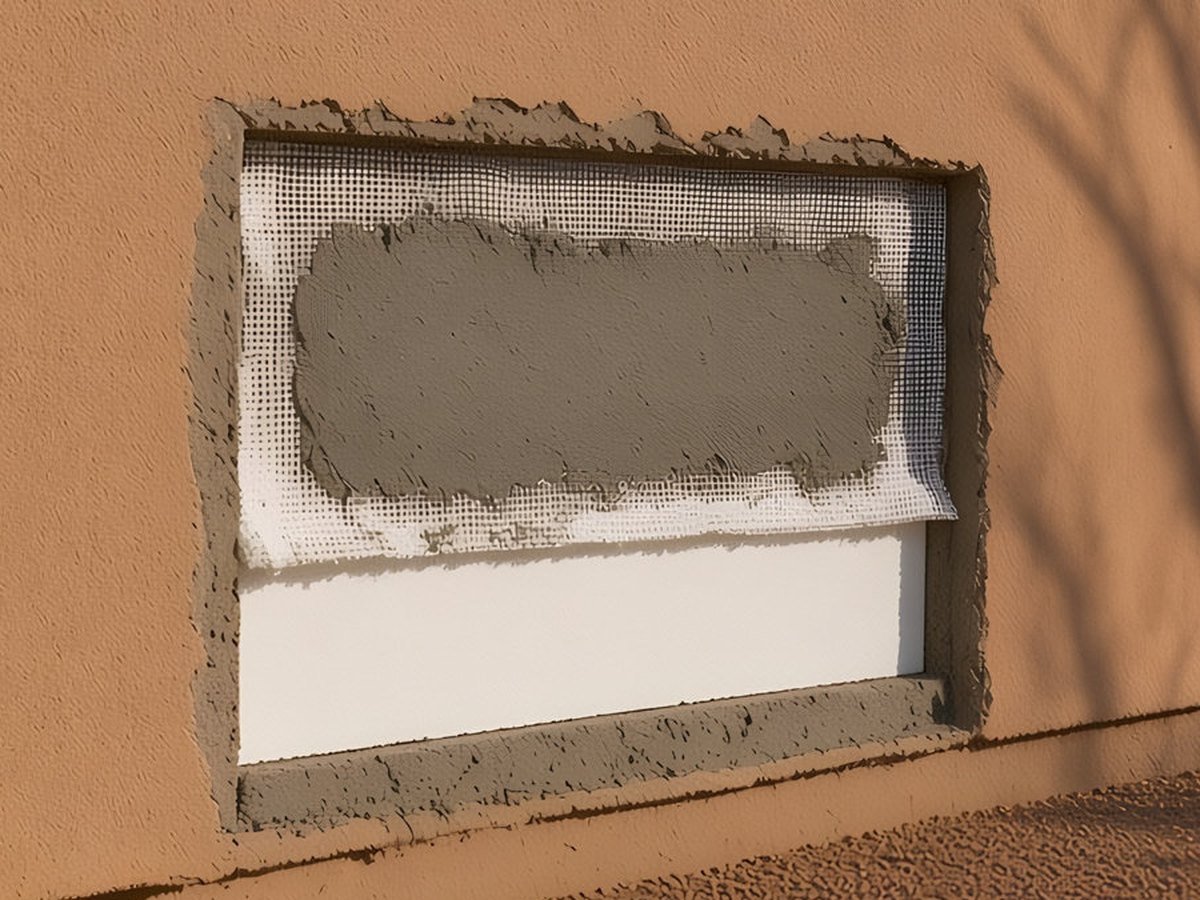
EIFS repair
Foam trim, bands and window surrounds repaired with matching acrylic finish.
See eifs repair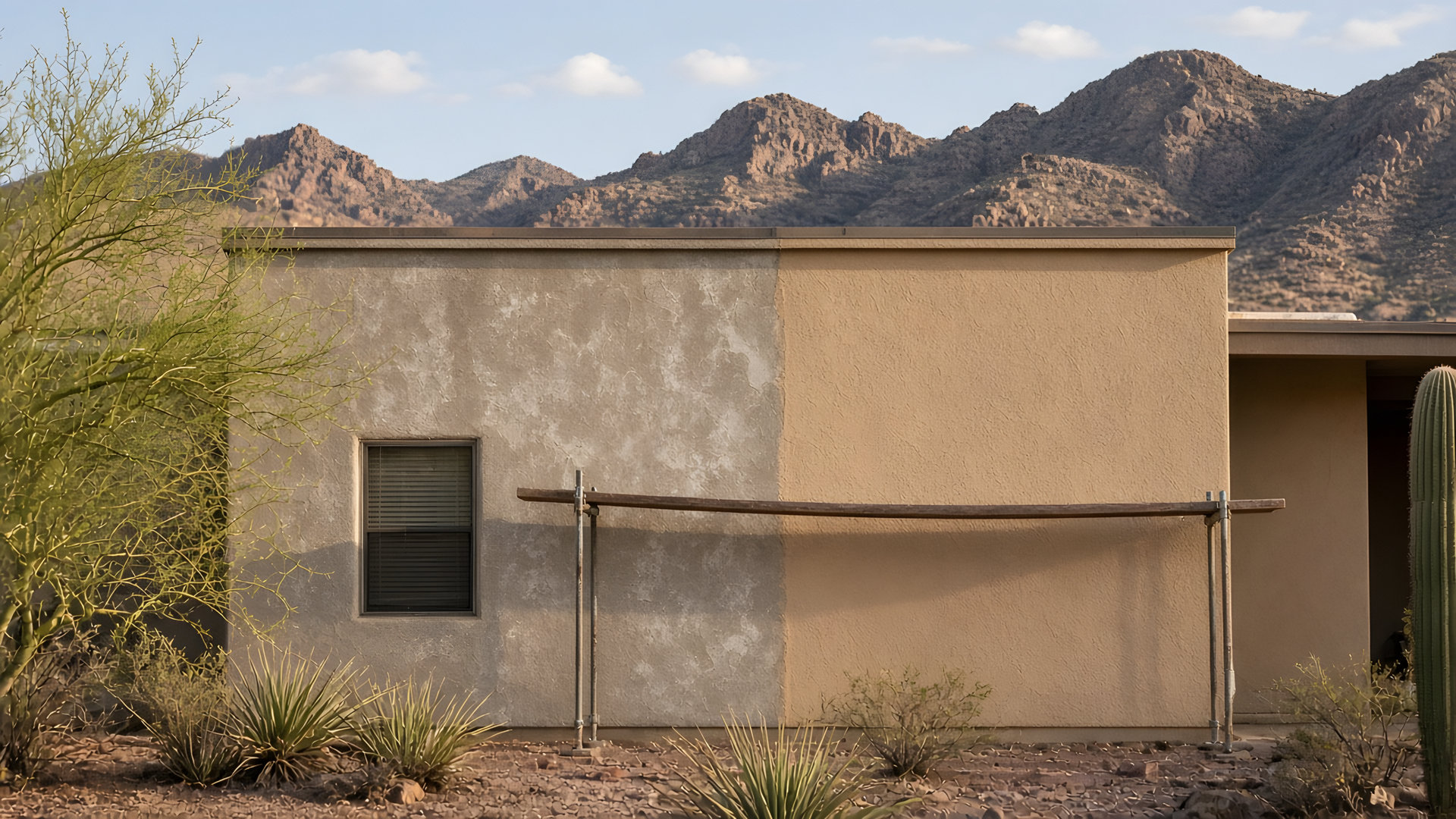
Re-stucco and refinish
Smooth and hand-troweled finishes refinished on Dove Mountain homes.
See re-stucco and refinish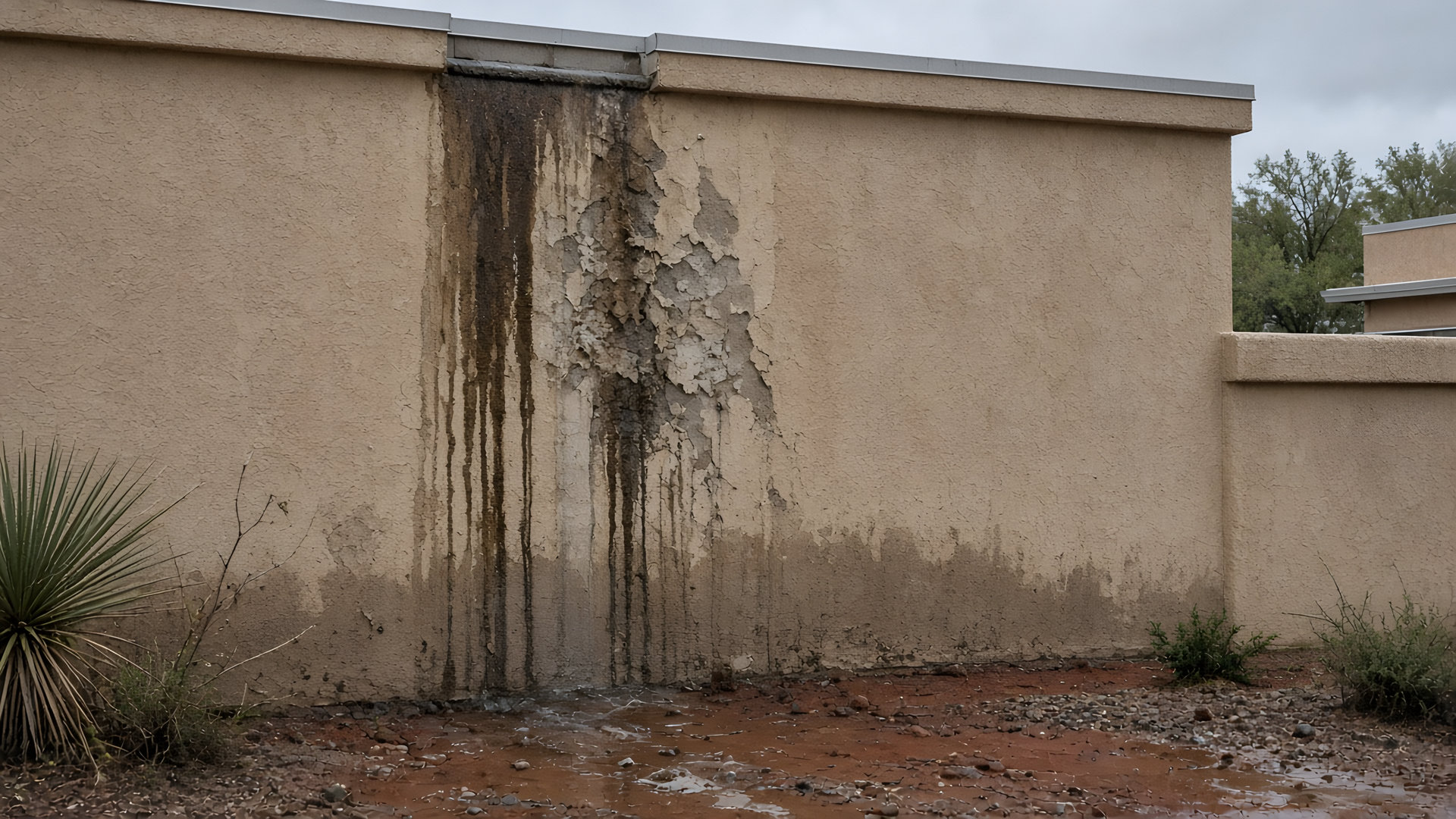
Water and monsoon damage
Wet walls at the base, uphill runoff and scupper leaks found and repaired.
See water and monsoon damage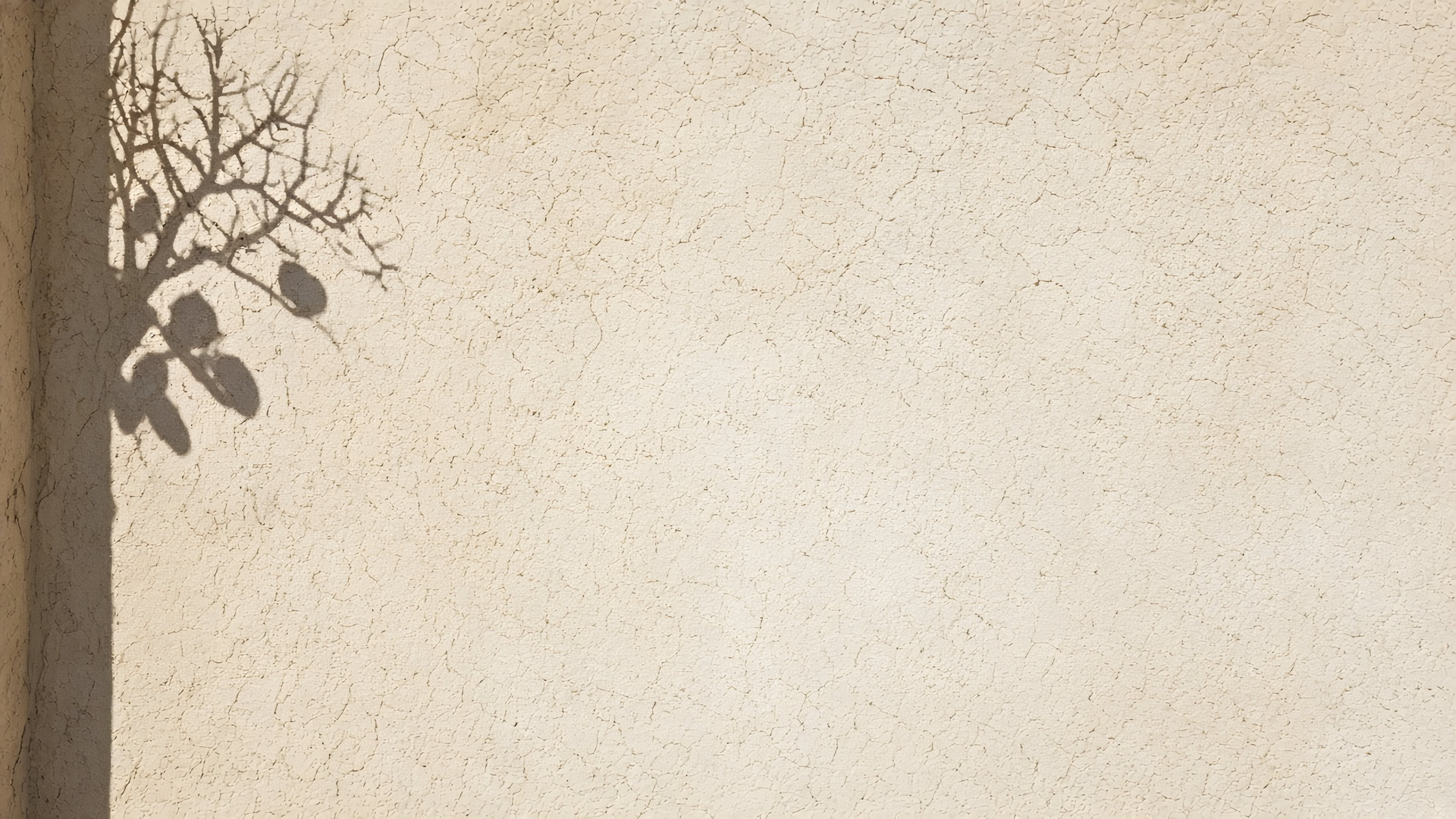
Sun and UV damage
Faded walls on the hot valley floor recoated with UV-resistant masonry coatings.
See sun and uv damageMarana stucco questions
- What is one-coat stucco?
- It is a stucco system applied in a thinner base layer, usually about three-eighths of an inch, followed by a finish coat. It is common on newer Arizona homes. It repairs well, but patches should match its thickness and use compatible materials.
- Should the builder fix cracks on my new Marana home?
- It depends on your builder warranty. Many cover stucco cracks over a certain width during the first year or two. Check your warranty paperwork first, and call us for anything outside it.
- Why is the base of my Marana stucco wall stained white?
- White stains at the base are usually salts left as water dries out of the wall. Sprinklers, drip lines and soil above the weep screed are the common causes. Fixing the water source comes before the stucco repair.
Talk to us about your wall
Call and describe what you have noticed. We will ask a few questions about the house and the problem, then book a time to see it.
If you can, take a wide photo and a close one before we talk. It helps us bring the right materials to the first visit.